
Industry Partner Spotlight: The Mobility House
The careers today’s students will hold in the future likely don’t even exist yet, says Taylor Sayward of The Mobility House, a leader in electric school bus infrastructure that helps school districts transition electric bus fleets to zero-emission operations. Using its ChargePilot® platform—an intelligent charging and energy management system—The Mobility House helps districts determine when and how buses charge, ensuring fleets remain reliable and cost-effective.
For the past year, The Mobility House has been working with Porterville Unified School District to transition their electric bus fleets to zero-emission operations—and providing CAPS interns in the districts with hands-on experience in the electric vehicle charging industry. Through industry partnerships with organizations like The Mobility House, CAPS interns develop the foundational skills that will enable them to become future leaders in emerging sectors—such as how electric buses are powered, how charging is managed, and what it takes to operate and maintain a zero-emission fleet.
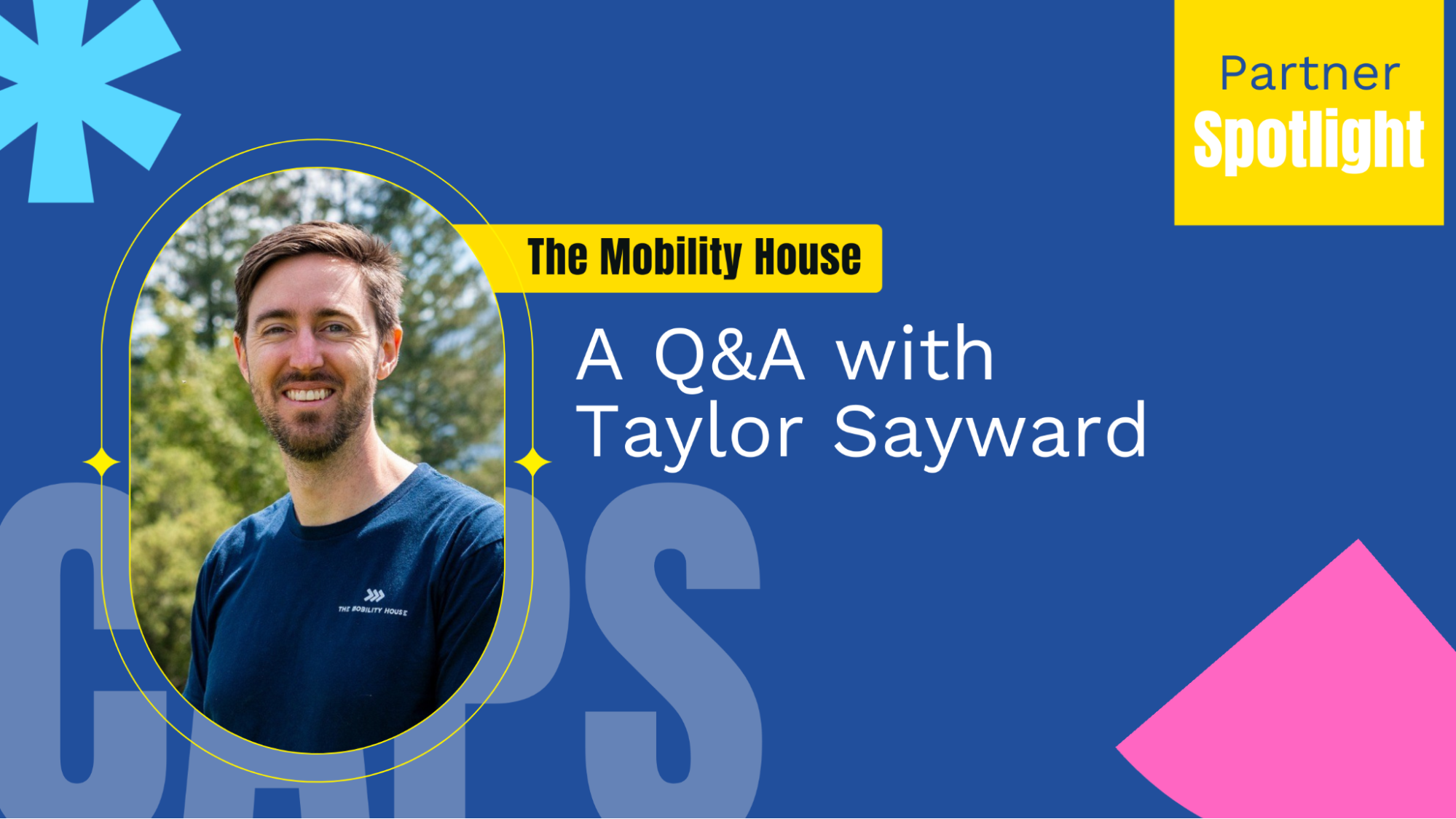
A former elementary school teacher and sports coach, Taylor Sayward works in business development for The Mobility House, focusing on partnerships with school district transportation directors and fleet managers. Over the past year, Taylor engaged with CAPS interns, arranging site visits and helping students understand what it takes to transition real bus fleets to zero-emission operations. In this Q&A, Taylor shares why he is passionate about connecting students to green industries and how working with students is a two-way street that benefits his company, as well.
Why did The Mobility House choose to work with CAPS?
We are proud to provide our smart charging solutions to school districts like Porterville Unified School District. It’s an added bonus to offer student interns an invaluable opportunity to learn firsthand about the green industry. I greatly enjoyed giving students an insider view of EV charging and the essential skills needed to make a zero-emissions system work effectively and efficiently.
How does collaborating with CAPS interns help build the green workforce pipeline of the future?
As a former teacher and coach, I find immense value in introducing students to our industry at an early stage. Working with CAPS interns allows us to actively shape the future workforce by showing students—such as a rising senior I worked with, who connected his interest in electrical work to clean mobility—the tangible green career pathways available right now.
What tangible business value have you seen from engaging with students?
Of course, the value includes community engagement and hiring, but it also helps improve our team’s internal skills. It creates a two-way learning street that strengthens both the students and our company. For instance, our data analyst learned how to make our regular presentations more accessible and digestible after working with the Twin Rivers interns on complex data analysis models. This directly improves communication, helping us explain our energy data analysis not only to the interns but also to our broader Mobility House team and clients.